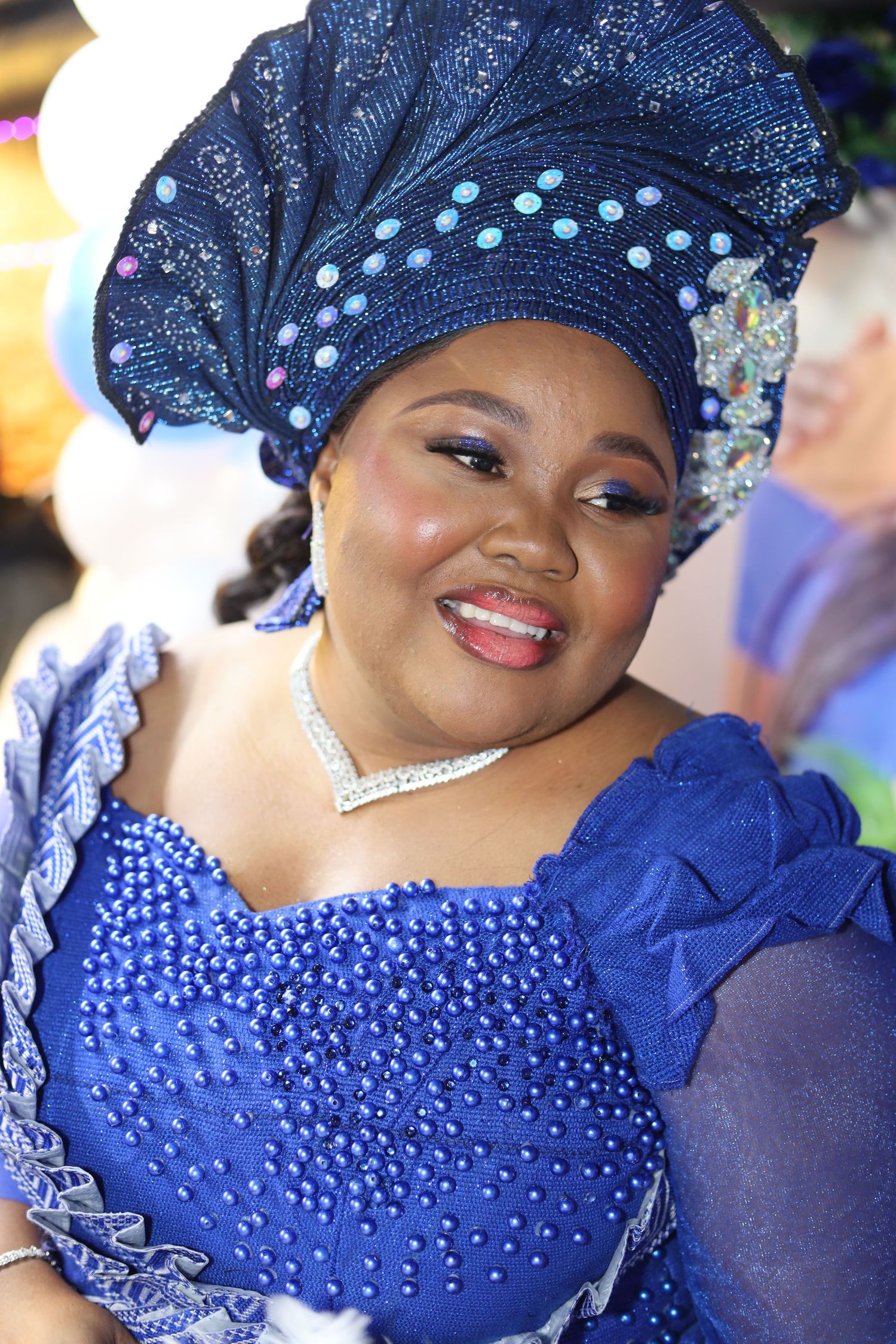
How to Prepare for a Wedding Day as a Photographer
How to Prepare for a Wedding Day as a Photographer
Weddings are one of the most memorable and emotional days in a couple’s life—and as the photographer, you play a huge role in capturing every precious moment. Preparation is the key to ensuring you not only meet expectations but exceed them. Whether you're a seasoned pro or gearing up for your first wedding shoot, here’s how to prepare for the big day like a true professional.
1. Get to Know the Couple
Before the wedding, schedule a meeting or call with the couple to understand their vision, personalities, and priorities. Ask them:
- Are there any must-have shots or special traditions?
- Who are the key family members or VIPs?
- What’s the full wedding day timeline?
Building rapport with the couple helps everyone feel more comfortable and ensures your work reflects their unique love story.
2. Finalize the Shot List and Timeline
Work with the couple or planner to create a detailed timeline of the day. Note down:
- Key moments (e.g., getting ready, ceremony, first look, first dance)
- Family and group photo combinations
- Sunset or golden hour timing for portraits
Having a game plan minimizes stress and helps you stay on schedule.
3. Prepare Your Gear in Advance
Double (and triple) check your equipment days before the wedding. Essential gear includes:
- Two camera bodies (a backup is non-negotiable)
- A mix of lenses: wide, portrait, and zoom
- Flashes, diffusers, and lighting accessories
- Extra memory cards, batteries, and chargers
- Cleaning kit for lenses and sensors
Pro tip: Pack everything the night before and charge all batteries fully.
4. Dress Professionally and Comfortably
Weddings are formal events, so dress in a way that blends in with guests—while still being comfortable enough to move around, crouch, and carry gear all day. Opt for breathable, dark-colored clothing and shoes with solid support.
5. Scout the Venue
If possible, visit the venue ahead of time or arrive early on the day to scout the best photo spots and lighting conditions. Look for:
- Shaded areas for midday portraits
- Scenic backdrops
- Locations for group photos and romantic couple shots
Knowing your environment gives you an edge when time is tight.
6. Be Ready for the Unexpected
Weddings rarely go 100% as planned. Be prepared to:
- Adjust quickly to timeline changes
- Deal with bad weather (bring a clear umbrella or rain gear)
- Calm down nervous couples or kids
Your calm, confident presence will make a big difference.
7. Backup Immediately
After the event, back up your photos right away—on multiple drives or cloud storage if possible. This step is critical to avoid any data loss or corruption.
8. Deliver with Care
Send a few sneak peeks within 24–72 hours to keep the excitement alive. Edit and deliver the full gallery by the agreed deadline, and consider creating a highlights slideshow or blog post the couple can share.
Final Thoughts
Being a wedding photographer is about more than just taking beautiful photos—it’s about capturing moments that will be treasured for a lifetime. With thoughtful preparation, you’ll be able to focus on what matters most: telling the couple’s story with heart, creativity, and professionalism.
